

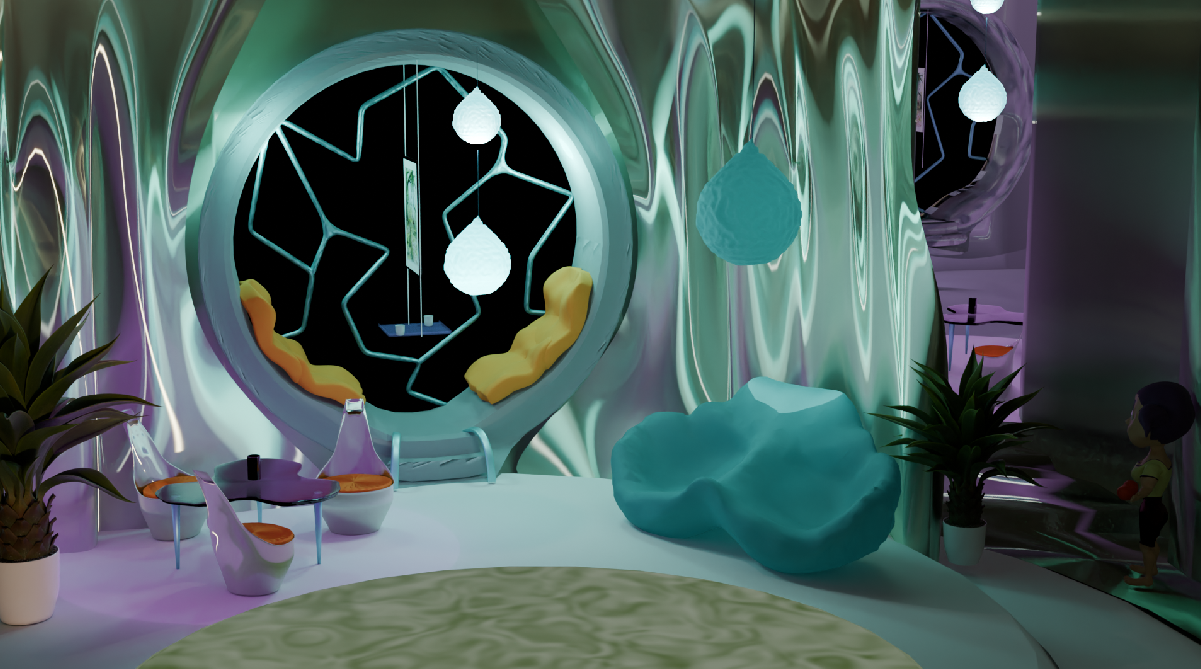
Lighting is one of the most crucial elements in 3D animation, serving not only to illuminate scenes but also to set the mood, create depth, and enhance the overall visual storytelling. In this post, we’ll delve into what 3D lighting is, explore different types of lighting effects, and discuss basic lighting techniques used in 3D environments. We’ll also provide insights on how to become a 3D lighting artist.
What is 3D Lighting?
3D lighting is the technique of simulating light in a three-dimensional environment to enhance the realism and visual appeal of a scene. Just like in the real world, light in 3D animation affects how we perceive objects, colours, textures, and the atmosphere of a scene. By manipulating various light sources, 3D artists can evoke emotions, direct the viewer’s attention, and convey the time of day or weather conditions.
Different Types of 3D Lighting Effects in Animation
1. Directional Light
Directional lights mimic the effect of a distant light source, such as the sun. The rays are parallel and cover the entire scene evenly, casting consistent shadows. This type of lighting is often used to simulate daylight and is ideal for outdoor scenes where a uniform light source is needed.
2. Point Light
Point lights emit light in all directions from a single point, similar to a light bulb. This type of lighting is perfect for simulating localised light sources like candles, lamps, or fireflies. Point lights create soft shadows and can add a warm, intimate feel to a scene.
3. Area Light
Area lights are defined by a physical size and shape, such as a rectangle or a disc, and they emit light across their surface. This type of lighting is used to create soft, diffused light with gradual shadows, similar to light coming through a window or from a fluorescent panel. Area lights are excellent for simulating realistic indoor lighting.
4. Spotlight
Spotlights are cone-shaped lights that emit light in a specific direction, with the intensity diminishing from the centre to the edges. This type of lighting is often used to highlight specific objects or areas within a scene, such as a character on stage or an artwork in a gallery. Spotlights create dramatic shadows and can be adjusted to control the spread and focus of the light.
3 Basic Lighting Techniques in a 3D Environment
In 3D environments, lighting techniques are crucial for achieving realistic results. Here are three fundamental lighting techniques commonly used in the industry:
- Three-point Lighting
Three-point lighting is the most common lighting technique and consists of three light sources: key light, fill light, and back light. The key light is the primary light source that illuminates the subject. The fill light softens the shadows cast by the key light, while the back light separates the subject from the background, adding depth and a sense of dimension. This setup provides a balanced and professional look to the scene. - Two-point Lighting
This setup uses only two lights: a key light and a fill light. It is often used for simpler scenes where backlighting is not necessary. The fill light softens the harshness of the key light, making it ideal for character-focused scenes where the background is less important. - One-point Lighting
One-point lighting uses a single light source, often to create a dramatic or moody effect. This technique focuses solely on the key light, leaving natural shadows to fall where they may. It’s commonly used in noir films and scenes that require strong contrast between light and dark areas.
How Do You Become a 3D Lighting Artist?
Becoming a 3D lighting artist involves developing a solid foundation in 3D software, such as Maya, Blender, or Cinema 4D. A deep understanding of lighting physics, composition, and the way light interacts with different materials is crucial. Lighting artists must also be skilled in using rendering engines, such as V-Ray or Arnold, to bring out the most realistic effects in scenes. Additionally, attention to detail and the ability to collaborate with other departments, like texture artists and animators, are essential.
A strong portfolio demonstrating different lighting techniques and effects, combined with knowledge of the 3D production pipeline, will help aspiring artists break into the field. Many lighting artists start as generalists, then specialise as they gain experience.
Conclusion
Lighting in 3D animation is both an art and a science. It brings scenes to life, guiding the viewer’s experience and enhancing the mood and realism of the animation. Understanding the different types of lights and how they interact within a scene is essential for any 3D artist. By mastering these techniques and tools, aspiring 3D lighting artists can develop the skills needed to shape compelling visual stories.






Leave a Reply