Creating a Design Portfolio: Getting Started and Making the Most of What You Have
Whether you’re gearing up for a new job, launching your own design business, or preparing to teach masterclasses, one thing is certain—you need a portfolio. It’s your visual resume, a showcase of your skills, and a testament to your expertise. But what if you feel like you have nothing to show?
Before you panic, take a step back and think deeper. Chances are, you already have a foundation to build on; it may just need a bit of refining. Let’s walk through the next steps to help you craft a portfolio that truly stands out.
1. Start with What You Have
You might feel like you don’t have much to display, but almost everyone has something — projects from school, personal work, freelance gigs, or even experiments with new techniques. Don’t discount anything, as even small projects can showcase your unique approach and creativity. If your existing work isn’t quite polished, spend some time refining it or expanding on the concepts.
2. Curate Thoughtfully
When creating your portfolio, less is often more. Instead of overwhelming viewers with every single project you’ve done, focus on the ones that best reflect your skills and align with the kind of work you want to attract. Aim for quality over quantity. A handful of well-executed pieces is far more compelling than a large volume of mediocre work.
3. Fill Gaps Creatively
If you feel like certain areas of your expertise are missing in your portfolio, create new projects that fill those gaps. Personal projects, mockups, or redesigns of existing brands can showcase skills that aren’t yet reflected in your client work. This is especially useful if you want to pivot to a new type of design, such as UI/UX or illustration.
4. Choose Your Niche
One of the most important steps in building a portfolio is defining your niche. Are you drawn to animation projects, branding, web design, or print design? Specialising in a particular area allows you to highlight your expertise and attract the right kind of clients or employers. For example, if you’re passionate about animation, focus your portfolio on showcasing animated projects, motion graphics, or character design. This not only helps you stand out but also positions you as an expert in your chosen field. A clear niche will make your portfolio more targeted, and clients looking for those specific skills will be more likely to engage with your work.
5. Show Your Process
Clients and employers are not just interested in the final product—they want to see how you approach problems and find solutions. Include case studies or descriptions that explain your design process, the challenges you faced, and how you overcame them. This gives insight into your strategic thinking and problem-solving abilities.
6. Design the Portfolio Itself
Your portfolio is a reflection of your design style, so make sure the portfolio itself is a well-designed experience. Whether it’s a website, a PDF, or even a printed book, ensure that it is visually appealing, easy to navigate, and fully responsive if it’s online. Treat it like a project in itself and apply the same design principles you would for any client work.
7. Keep it Updated
Design is an ever-evolving field, and your portfolio should evolve with it. Regularly update it with new projects, skills, and techniques. Outdated work might give the impression that your skills are stagnant, so be sure to keep everything current and relevant.
Conclusion
Building a portfolio is not just about showing what you’ve done—it’s about showing who you are as a designer. Start with what you have, fill gaps strategically, and define your niche to highlight your specialised skills. Whether it’s animation, branding, or web design, choosing your focus will help attract the right opportunities. Let your portfolio reflect your personal style, your process, and your passion for your niche. Even if you’re just starting, you have something valuable to showcase. Get creative, be authentic, and let your portfolio speak for itself!
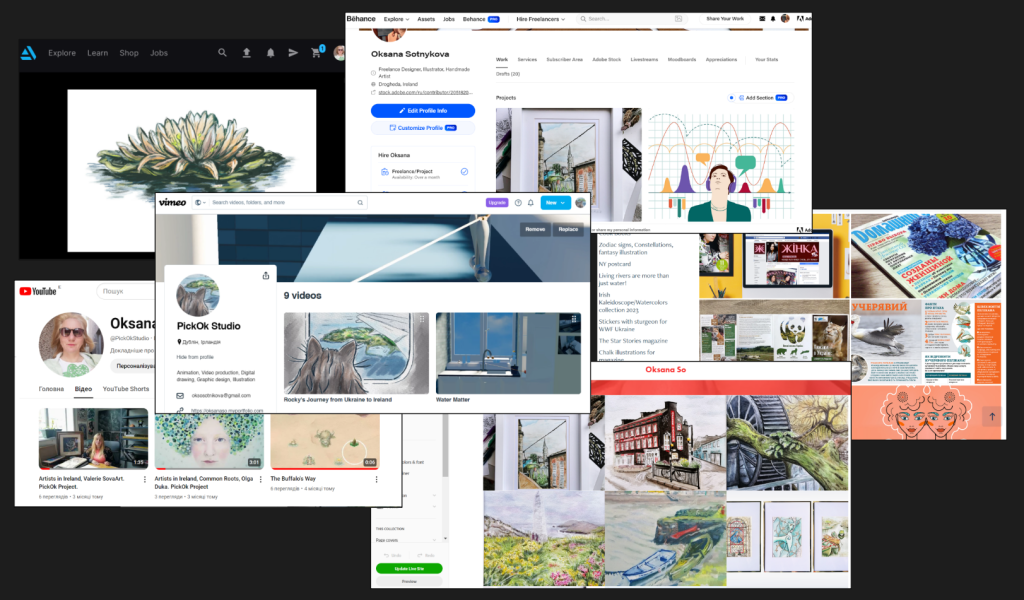
What If My Portfolio Is Spread Across Different Platforms?
Having your portfolio scattered across various platforms like Behance, Dribbble, or LinkedIn can boost visibility but also cause confusion. Here’s how to manage it effectively:
- Create a Central Hub
Develop a personal website or an online portfolio where all your work is accessible, linking to other platforms for easy navigation. - Strategic Linking
Link different platforms (Instagram, Dribbble, Behance) through your main portfolio. This consolidates your work and encourages deeper exploration. - Maintain Consistency
Ensure a consistent design style, tone, and branding across platforms so viewers can easily recognise your work. - Curate and Organise
Tailor each platform to its audience. Use YouTube or Vimeo for full animation reels, Instagram for short clips or behind-the-scenes content, and platforms like ArtStation or Behance for showcasing concept art and storyboards. - Highlight Best Work
Use your main portfolio to showcase your top projects, linking to other platforms for more details.
A well-organised, centralised portfolio that links to different platforms provides clarity while maximising exposure. Stay consistent, organised, and always present your best work upfront.


 Pick Ok Studio
Leave a comment